
Views: 0 Author: Site Editor Publish Time: 2025-09-16 Origin: Site


 Installing Overhead Hail Netting
Overhead anti hail netting is perfect for covering smaller areas or low-growing crops. The goal is to create a taut, elevated net structure that shields plants while allowing room for maintenance. Here’s how to do it:

Determine where to place your support poles based on the size of your garden, terrain, wind conditions, and net weight. Poles are typically spaced 15–30 feet apart and should extend at least 50 cm above the tallest plants to create a buffer zone. Calculate the number of poles needed and gather your materials or orchard.

Poles bear the weight of the net, rain, and wind. For temporary setups, use cost-effective materials like bamboo or wooden poles. For permanent installations, opt for durable materials like steel or aluminum. Dig holes at the marked spots, anchor the poles securely (using ground anchors or concrete if needed), and add protective caps, like old tires, to prevent the net from tearing at the pole tops.
Tip: Angle the poles so the anti hail net slopes slightly, allowing hail to roll off and preventing water pooling from melting hailstones.

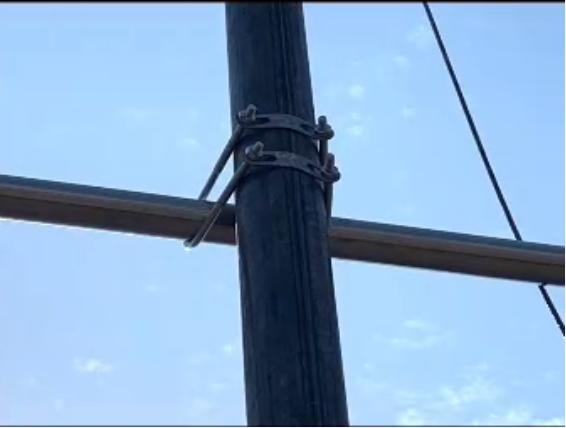
Use crossbeams, steel cables, or wires to connect the poles, forming a stable framework. Ensure all connections are secure to withstand weather conditions.

Unroll the hail net carefully to avoid damage. Stretch hail net over the support structure, securing it to the poles and framework with ropes or connectors. Keep the net taut but not overly tight to prevent tearing in strong winds or hail. If multiple nets are needed, join them securely with strong, seamless connections.

Check the entire setup to ensure all components are secure. Adjust the hail net’s tension and position as needed to cover the plants evenly.
Clear the installation site of debris and regularly inspect the hail nets, poles, and supports for wear or damage. During off-seasons, roll up or remove the net to extend its lifespan.


